US: Tariffs on Russian oil may push Putin to negotiate
US warns tougher tariffs on Russian oil buyers could pressure Moscow’s economy, force talks
- By Gurmehar --
- Monday, 08 Sep, 2025
The United States has increased its pressure on Russia by targeting countries that continue to purchase oil from Moscow. US Treasury Secretary Scott Bessent has said that if Washington and the European Union (EU) apply more secondary sanctions and tariffs on such countries, Russia’s economy will collapse and force President Vladimir Putin to come to the negotiation table.
The Trump administration has already taken a major step by imposing an extra 25% tariff on India for its purchases of Russian oil. This is in addition to the 25% reciprocal tariffs announced earlier. With this move, the total tariff on India has now reached 50%, effective from August 27, 2025.
US and EU looking at more coordinated sanctions
In an interview with NBC News, Bessent explained that President Donald Trump and Vice President JD Vance recently held what he described as a very productive call with European Commission President Ursula von der Leyen. The call was followed up with further discussions on how the US and EU could jointly step up pressure on Russia.
According to Bessent, the strategy is clear: if the US and the EU act together by imposing secondary tariffs on countries that continue to buy Russian crude oil, Moscow’s financial system will reach a breaking point. “The Russian economy will be in full collapse, and that will bring President Putin to the table,” he said.
He added that the US is ready to take stronger actions but stressed that Europe must move in the same direction for maximum impact. “We are in a race now between how long the Ukrainian military can hold up versus how long the Russian economy can hold up,” Bessent noted.
The comments reflect Washington’s belief that Russia can only be forced into negotiations over the Ukraine war if its economic strength is broken.
Trump disappointed with India’s Russian oil purchases
The decision to raise tariffs on India comes amid growing US frustration over New Delhi’s continued purchases of Russian crude. President Trump himself expressed strong disapproval of India’s move, saying he was “very disappointed” that India was buying “so much” oil from Russia despite the geopolitical situation.
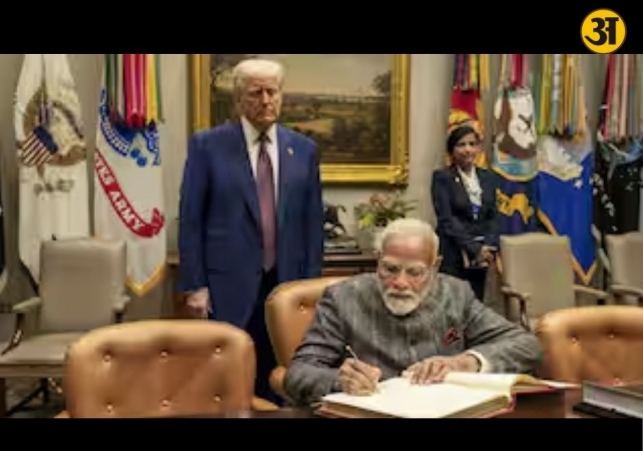
“We put a very big tariff on India, 50 per cent tariff, a very high tariff,” Trump said while speaking in the Oval Office on Friday. He added that he enjoys a good relationship with Indian Prime Minister Narendra Modi, who had visited Washington just a few months ago, but insisted that the tariffs were necessary.
When asked if he was willing to reset ties with India, Trump did not give a direct answer. Analysts suggest that relations between Washington and New Delhi are currently going through one of their most strained phases in over two decades, largely due to disagreements over energy trade with Russia.
Several top US officials, including Treasury Secretary Bessent and White House trade advisor Peter Navarro, have argued that by continuing to buy Russian oil, India is indirectly providing Moscow with funds that help finance its war in Ukraine. They believe this undermines global efforts to isolate Russia economically.
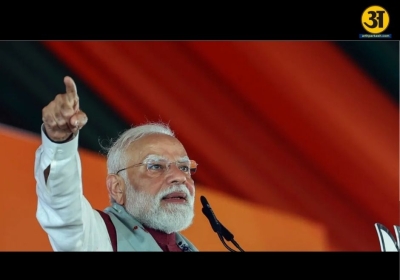
However, India has pushed back strongly against these accusations. The Indian government has described the US tariffs as “unjustified and unreasonable.” It has also defended its oil purchases from Russia, saying that its energy policy is based on national interests and market needs. New Delhi argues that affordable energy is essential for its fast-growing economy and that it will continue to make procurement decisions accordingly.
ALSO READ: Next-generation GST reforms aim to bring relief, says Modi government
ALSO READ: How to get your protein intake right for better health and energy
The US decision to impose higher tariffs highlights the widening cracks between Washington and New Delhi, even as both countries continue to cooperate in other areas such as defense, technology, and security in the Indo-Pacific.
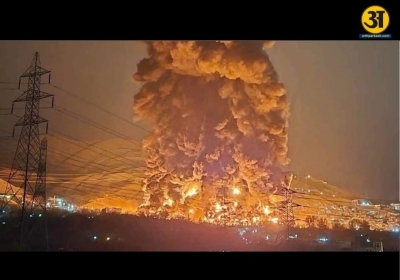
For Russia, these sanctions and tariffs create additional challenges. Moscow has already been struggling under multiple layers of sanctions from Western countries since its invasion of Ukraine. Targeting countries that buy its oil is seen as another way to cut off its revenue sources.
Whether this strategy will succeed in forcing Russia to change its course remains to be seen. What is clear, however, is that global energy trade is increasingly caught in the middle of the political and economic standoff between major powers.
As the situation develops, the world will closely watch whether Moscow can withstand the economic pressure or whether the combination of Western sanctions and tariffs from key buyers like India will finally push it toward negotiations.
Related News